


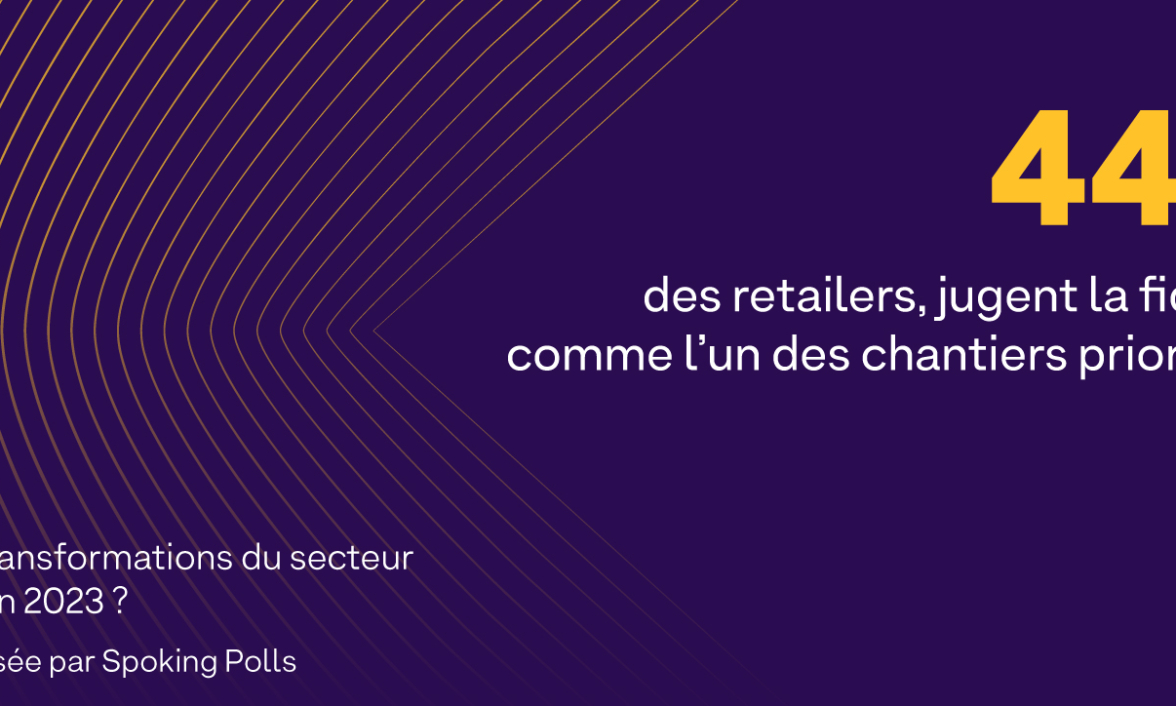
In a recent study published by Dékuple, 44% of retailers consider loyalty to be one of their priority projects. In light of recent developments in the economic context, we asked Nicolas Bruchet, Partner in charge of Consulting at Agence Dékuple, for his view of the situation.
In a context of inflation, the prices of goods rise, which can lead to a drop in consumers’ purchasing power and a decline in customer loyalty. With consumers who are more volatile and in search of the lowest prices, and others looking for good deals through brand mechanics that reward their loyalty, it is therefore crucial for retailers to put strategies in place to retain and reward their customers. The figure from the Dékuple x Spoking Polls study clearly demonstrates retailers’ awareness of the importance of focusing their actions on customer loyalty. At 44%, in second place behind customer acquisition, loyalty is considered one of retailers’ priority projects. However, although the loyalty programme is the most obvious marketing tool for building loyalty, it is neither the only lever nor the most important one. Moreover, while the transactional side is its foundation, loyalty programmes must go further, to offer a more complete experience to the loyal customers of retail chains.
According to a Google study, the exploration phase is essential in choosing a retail chain, even preceding the rational comparison of elements such as price, reviews or technical product information. It follows that brand loyalty is very important for retail purchases, while the top of the funnel is decisive in the choice of a retailer. Thus, before defining a loyalty strategy, it is advisable to build and strengthen the brand by showing how it is different, the values it embodies, its universe and that of its collections. Brand awareness and its fit with the consumer’s lifestyle help to build loyalty, while recommendations and gifts are also decisive factors. Retailers’ loyalty-building therefore involves branding campaigns adapted to the brand’s context and targeting the core audience.
The loyalty programme remains an important customer marketing tool for retailers. In addition to fostering customer loyalty, it makes it possible to collect transactional data that is essential for getting to know customers better and communicating with them. It is important that the customer is recognised at the checkout and can view the key information on their loyalty account directly on the receipt. But to offer customers a richer experience, the programme must offer benefits with the brand and with partner brands, exclusive content, invitations to events, privileged treatment during visits, status-based services, etc.
Relationship animation is an important aspect of retail loyalty programmes. Programmes make it possible to create clear rules for customers and to offer them benefits, but regular and relevant communication with customers is what really makes the programme a success. Some programmes are not visible to customers, but the animation can draw on certain logics, such as rewarding the best customers on their birthday or inviting them to special events. Relationship animation strengthens the relationship with customers and maintains their engagement with the brand.
In 2023, corporate social and environmental responsibility is a central topic, with changes in legal obligations and growing consumer sensitivity to these issues. For retailers, strengthening CSR and promoting it is becoming a loyalty issue. Indeed, according to an Opinion Way survey, 63% of French consumers today say they are more loyal to brands when they feel that they are committed to sustainable action. Customers will therefore be more engaged with brands that provide proof of their actions, and may turn away from those that do not. Communicating on CSR commitments strengthens customer trust and loyalty. Some retailers have taken the lead on this subject, such as Maisons du Monde, which has placed sustainability at the heart of its strategy and put in place communication built around five CSR commitments. Although the brand does not offer a loyalty programme, it relies on its products, the in-store experience, customer service and communication of its CSR commitments to build customer loyalty.
Today in France, according to a Vertone study, more than 8 in 10 retail chains have a loyalty programme. This makes it a very widely used marketing lever. Consumers expect their loyalty to retailers to be recognised and rewarded. In conclusion, the loyalty programme is not the only lever for customer retention. To build loyalty, you also need to work on brand image through branding campaigns, which will help strengthen the match between customers’ aspirations and their perception of the brand. This image also depends on communication around CSR commitments, which reassure the customer and increase their trust in the retailer. Finally, it is also important to maintain a link with customers all year round and to bet on a strong shopping experience with inspirational content, personalised advice, or offers tied to brand news.